It's already in you.
Particles smaller than a virus walk past your lungs, into your blood, and reach your brain in minutes.



A normal morning in a closed room.
When indoor air sits closed for hours, dust, pet dander, smoke and stale odour do not disappear. They keep circulating.
You wake
up heavy.
Dry throat, blocked nose, tight chest, or a head that feels full before the day starts.
Hair and dander
keep moving.
Pet hair settles on bedding and sofas, and allergies feel worse indoors than outside.
Dust comes
back fast.
You clean, but sunlight still shows tiny particles floating around the room.
The room smells
lived-in.
Sweat, cooking, damp fabric or closed room odour sits on sheets, curtains and skin.
The dirtiest room is yours.
Close the door. Trap everything that came in. Add a stove, a candle, two pairs of lungs exhaling. Now sleep in it for eight hours.
Traffic, dust and smoke at street level.

Door shut. Fan on. Sheets warm. Pet hair moving in the light. This is the air your body keeps meeting.

Catches 99.97%
of what you
can't see

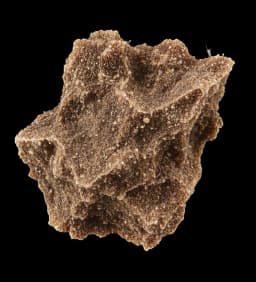
What clean air gives back.
A cleaner bedroom changes the everyday things people actually notice.
Less stale smell
Kitchen and damp-fabric smells cling less.
Gentler air
A cleaner room for people who recover more slowly.
Calmer bedroom
The room feels easier to settle into at night.
Less grime
Less fine dust on pillows, scalp and towels.
Fewer triggers
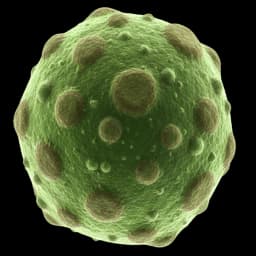
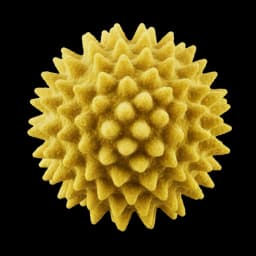
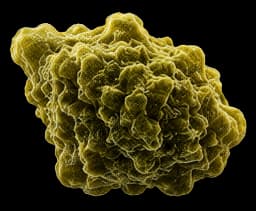
Pollen, mould and dander float for less time.
Less brain fog
Better-feeling air during calls and screen time.
More reading for your brain and lungs.
"An overview of what we know about air pollution's effects on cognition, decision-making, and economic output. Start here."
READ ON PATRICKCOLLISON.COM"A 10 µg/m³ rise in indoor PM2.5 increases a chess player's probability of an erroneous move by 26.3%. The effect grows under time pressure."
READ ON IZA.ORG"A one standard deviation increase in ambient PM2.5 reduces same-day S&P 500 returns by 11.9%."
READ ON NBER.ORG"Higher air pollution reduces daily worker productivity in Chinese call centres — mostly by increasing break time, not slowing individual calls."
READ ON NBER.ORG"99% of the world's population lives where the WHO air-quality guideline levels are not met. Ambient air pollution causes around 4.2 million premature deaths every year."
READ ON WHO.INT"Cognitive function scores were significantly better under Green+ building conditions than under Conventional conditions across all nine cognitive domains."
READ ON PUBMED.NCBI.NLM.NIH.GOV"Indoor pollution sources that release gases or particles are the primary cause of indoor air-quality problems. Effects range from immediate eye, throat and head irritation to long-term respiratory disease, heart disease and cancer."
READ ON EPA.GOV"A 10 µg/m³ increment in long-term PM exposure is cognitively equivalent to aging by approximately two additional years."
READ ON PMC.NCBI.NLM.NIH.GOV"A 1 µg/m³ increase in decadal PM2.5 raises the probability of a new dementia diagnosis by approximately 2.15 percentage points."
READ ON NBER.ORG"Per 10 µg/m³ rise in PM2.5: long-term stroke risk 1.14×, dementia 1.16×, Parkinson's 1.34×."
READ ON PUBMED.NCBI.NLM.NIH.GOV"Country-level analysis of PM2.5 exposure and its health impact, updated annually. Nearly nine in ten global air-pollution deaths are linked to noncommunicable disease."
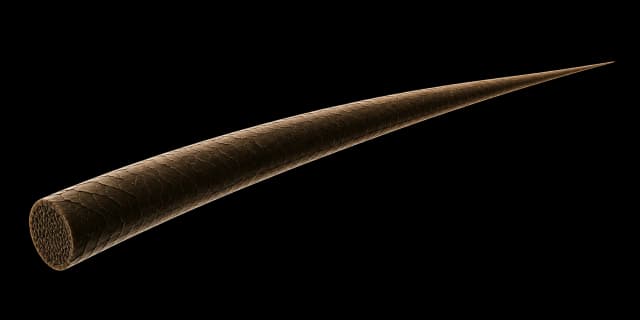
READ ON STATEOFGLOBALAIR.ORG"Fine particles (PM2.5) pose the greatest risk to health. They can be inhaled, penetrate deep into the lungs and enter the bloodstream. A human hair is roughly 30× larger than the largest PM2.5 particle."
READ ON EPA.GOVBreathe better
from ₹ 6,990
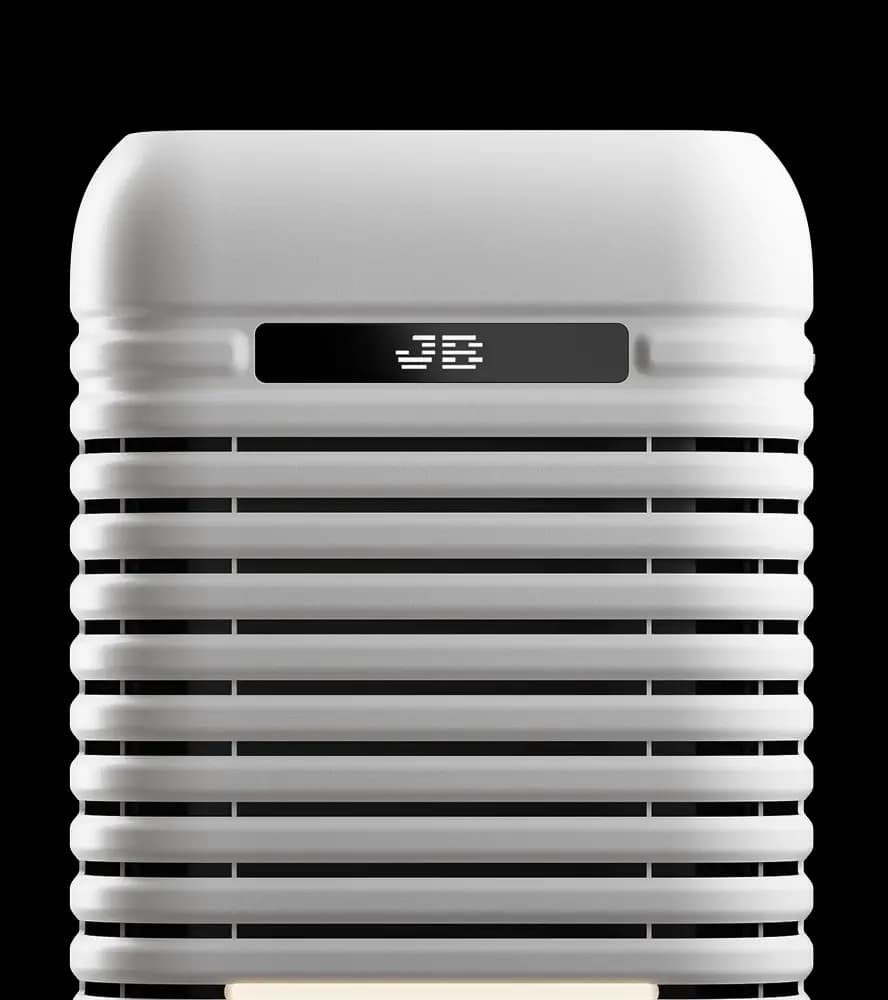
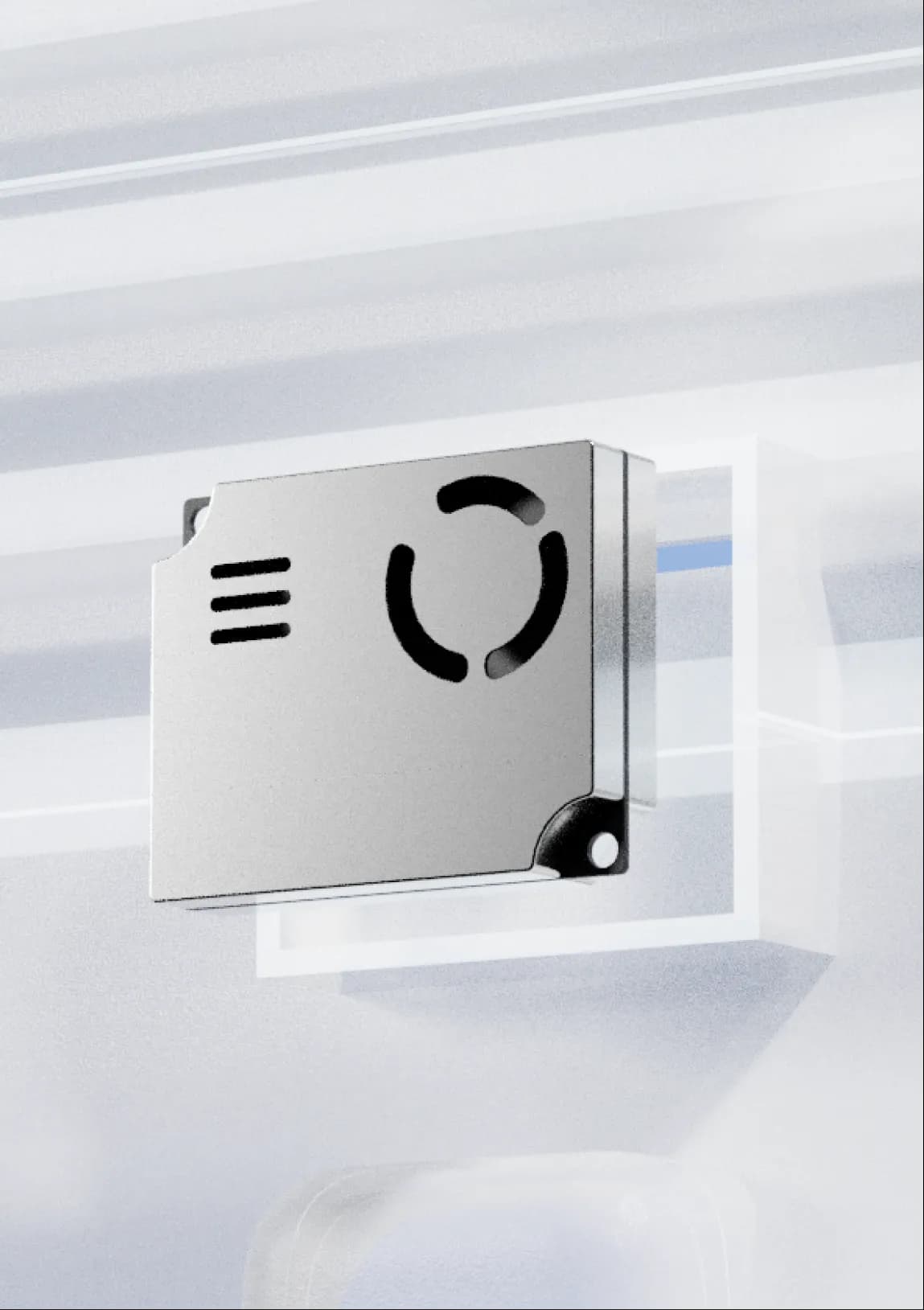
Good air shouldn't
be a secret.
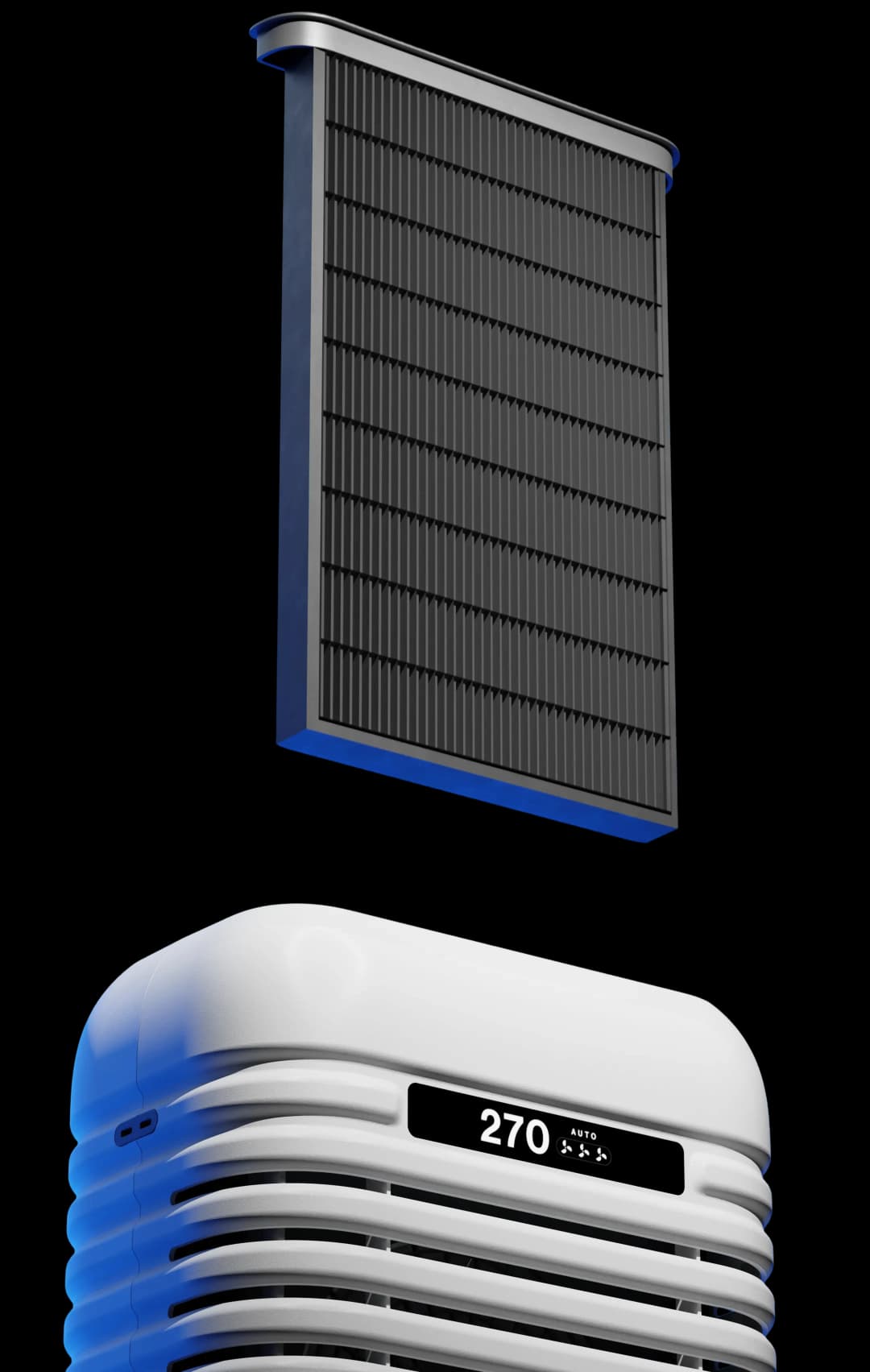
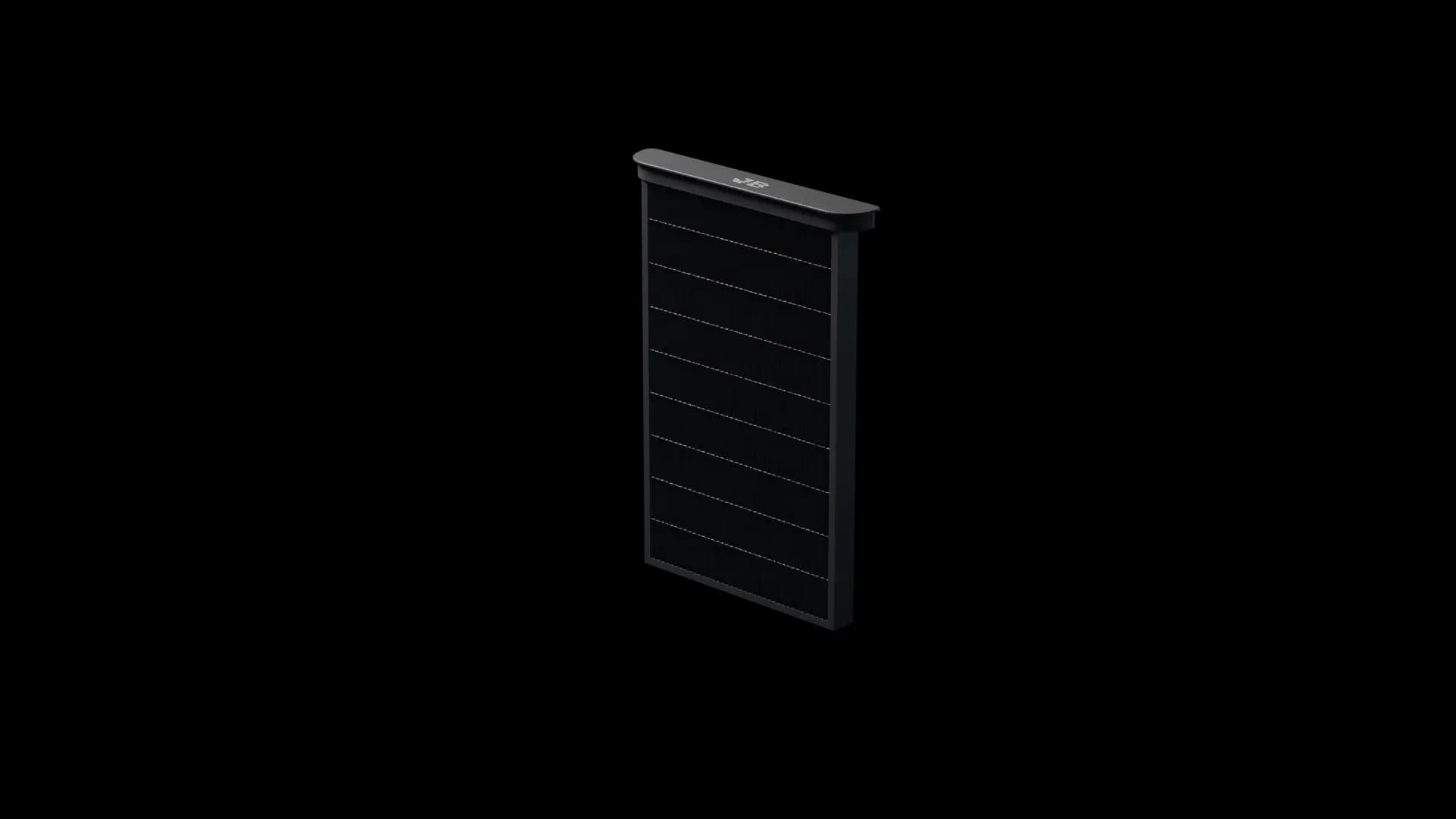
12-24 months filter life
HEPA 13
Pre filter
Activated carbon
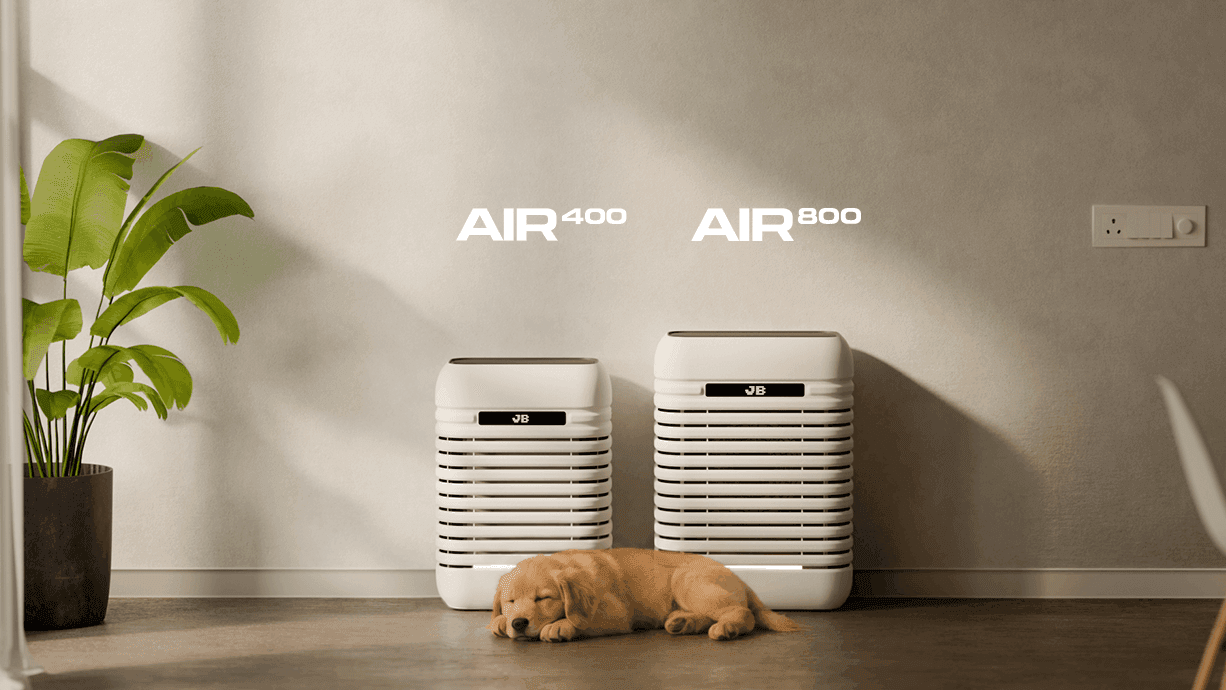
Designed and
assembled in
Filter price
starts at
₹ 495
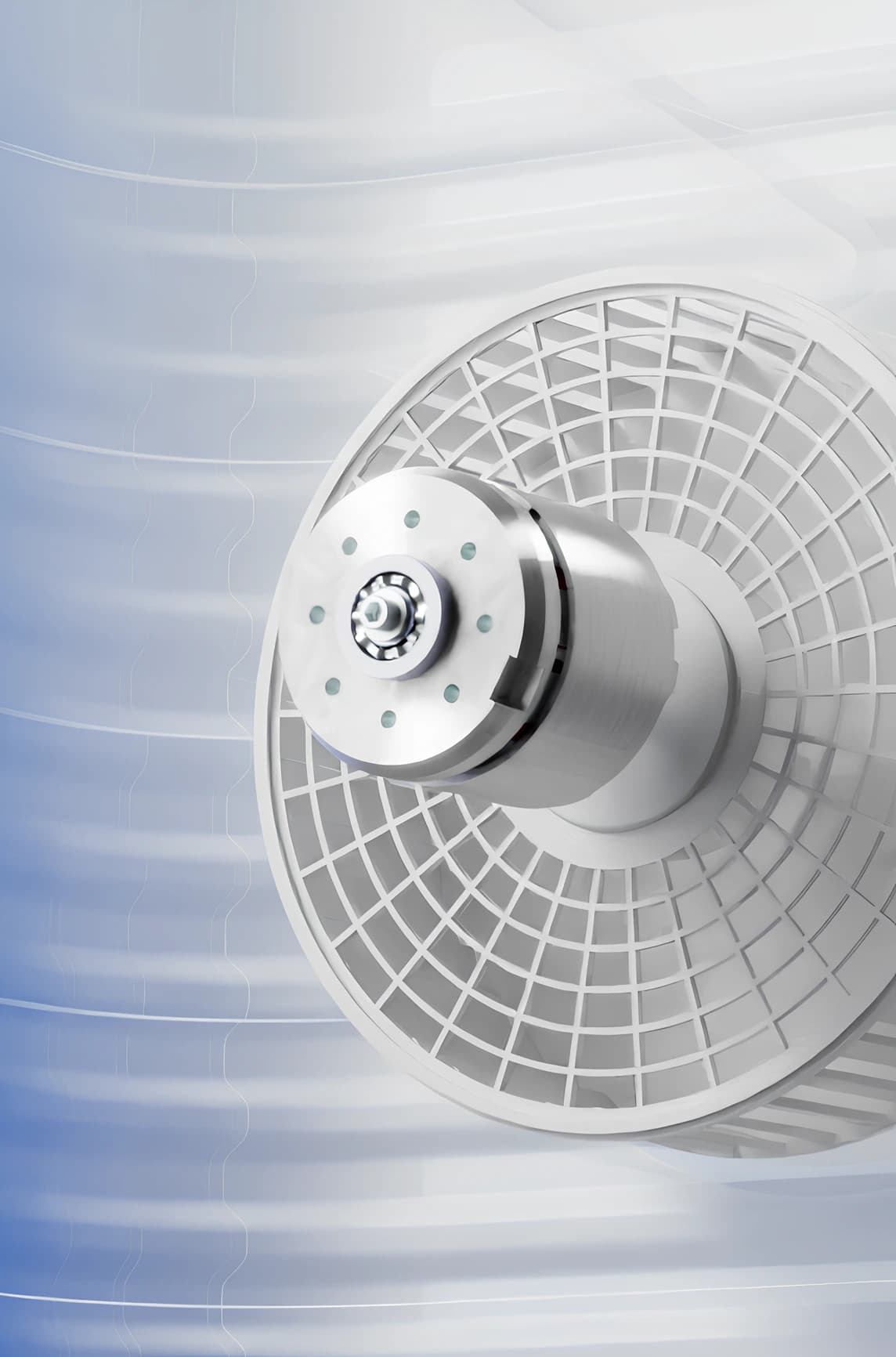
AQI 250+ to 15 in 20 mins,
And maintains it at that.